Botany Bay cove garden clearance guide for homeowners and gardeners
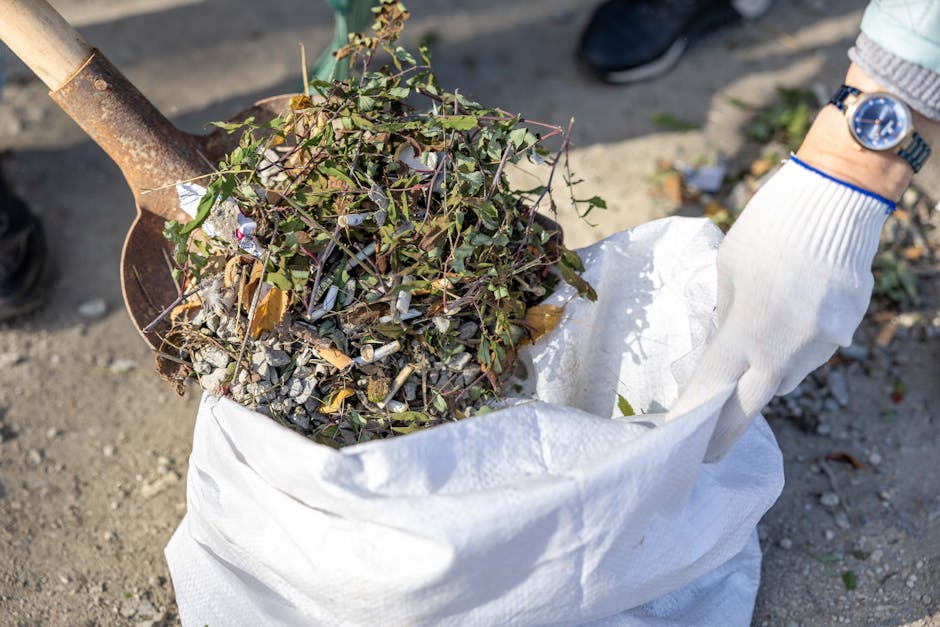
If your garden has drifted from "pleasant and manageable" to "where do I even start?", you are in the right place. This Botany Bay cove garden clearance guide for homeowners and gardeners is built for real outdoor spaces: tangled borders, old planting, tired lawns, awkward corners, and the kind of overgrowth that creeps up quietly after a wet spring and a busy summer. The aim here is simple. Clear what needs clearing, keep what is worth saving, and leave the space safer, cleaner, and ready for the next season.
Whether you are a homeowner wanting a fresh start or a gardener helping a client reclaim a neglected plot, the process is similar: assess carefully, work methodically, and avoid the common mistakes that turn a straightforward clearance into a bigger job than it needed to be. Let's get into the practical stuff.
Why Botany Bay cove garden clearance guide for homeowners and gardeners Matters
Garden clearance is not just about making things look tidy. In a coastal or cove setting, gardens can face a mix of salt-laden air, wind exposure, damp shade, and fast-growing plants that seem to love every spare inch. That combination makes neglect show up quickly. Ivy creeps into joints, hedges thicken unevenly, lawn edges disappear, and fallen leaves can sit in soggy drifts long after a rain shower has passed.
For homeowners, a well-cleared garden means fewer hazards, better drainage, and a space you can actually use without feeling embarrassed by it. For gardeners, a clear structure makes future maintenance easier and helps you spot underlying issues early: poor soil, hidden root spread, broken fencing, or a tree that needs attention before it becomes a problem. It sounds obvious, but once a garden is under control, almost everything else gets easier.
Clearance also matters because it sets the tone for every other garden decision. Want to add ground cover plants later? Great. Thinking about privacy planting with hedges? Better if you first remove old debris and expose the actual boundary. Planning a calmer seating area? You will need a clean, level base before anything else can look right. A messy start usually leads to a messy finish. Bit of gardening truth there.
How Botany Bay cove garden clearance guide for homeowners and gardeners Works
At its core, garden clearance follows a simple sequence: inspect, prioritise, remove, sort, and reset. The trick is not speed alone. It is judgement. You need to know what is dead, what is dormant, what is useful, and what is actively causing trouble.
A proper clearance usually begins with a walkthrough. You look at access points, the condition of borders, the density of overgrowth, and whether the job is mainly green waste, woody waste, or a mix of both. A small front garden with some weeds and fallen leaves is one thing. A rear plot with self-seeded saplings, heavy ivy, and long-neglected hedges is another entirely. Different job, different tools, different pace.
Then comes sorting. Material that can be composted, chipped, reused, or taken away should be separated where possible. Healthy prunings and soft green waste are not the same as diseased material or invasive root sections. If you are tackling thick climbers, it can help to read a dedicated guide like removing ivy safely and effectively before you start cutting blindly.
Finally, the area is reset. That might mean re-edging beds, levelling soil, cutting back hedges, clearing paths, washing down patios, or stripping out dead planting. If you leave the site in a "half-cleared" state, it tends to slide backwards again within weeks. Not always, but often enough to matter.
Key Benefits and Practical Advantages
The benefits of a thorough clearance are both visible and quietly practical. Yes, the garden looks better. But there is more to it than that.
- Improved safety: fewer trip hazards, less hidden debris, and clearer access along paths and borders.
- Better plant health: removing dead or crowded material gives surviving plants light, air, and breathing room.
- Easier maintenance: once the clutter is gone, routine jobs like mowing, trimming, and weeding take less time.
- More usable space: cleared zones can be turned into seating areas, play areas, or planting beds.
- Greater design clarity: you can finally see the bones of the garden and make better decisions.
There is also a less obvious benefit: confidence. A lot of people avoid gardens because they feel behind before they even begin. Once the first major clearance is done, the whole space feels less intimidating. You stop reacting to it and start shaping it.
That is why many people pair clearance with a wider reset. A garden that is badly overgrown can benefit from a staged return, similar to the approach described in where to begin in resurrecting your dormant garden. Start with the biggest obstacles, then work outward.
Who This Is For and When It Makes Sense
This guide is for anyone dealing with a garden that has slipped past routine upkeep. That includes first-time homeowners, landlords, busy families, older residents who want a safer outdoor space, and gardeners taking on a one-off restoration job. It also fits properties where the garden is being prepared for sale, re-let, or redesign.
It tends to make sense when one or more of these are true:
- you cannot see the full layout because of overgrowth
- weeds, climbers, or hedges are starting to dominate
- paths, patios, or decking have become slippery or cluttered
- you want to replant but the soil surface is buried under waste and roots
- you need to reduce wind exposure before a stormy season
- the garden is not unsafe, but it feels neglected and hard to enjoy
For families with children or pets, clearance can be especially worthwhile. A tidy garden is easier to make play-friendly and easier to supervise. If that is your goal, you may also find creating a play-ready garden for children and gardening with dogs in mind useful for shaping the next stage.
Step-by-Step Guidance
Here is the practical sequence we recommend. It is not fancy, but it works. And honestly, fancy is not what most overgrown gardens need.
1. Walk the site and make a rough plan
Start with a full look around. Note any hazards, areas of thick growth, broken edging, leaning structures, or waterlogged patches. Decide what is definitely going, what is staying, and what may need specialist help. If you spot a tree with unstable limbs or a stump that is becoming a nuisance, it may be time to look into tree surgery support rather than tackling it as ordinary clearance.
2. Clear access first
Open up the route you will use to work. That means moving pots, toys, loose timber, old compost bags, and anything else blocking the path. Clear access makes the whole job safer and calmer. It also stops you from treading material back into the area you just cleaned. A small win, but a useful one.
3. Remove bulky waste and dead growth
Lift out fallen branches, dead annuals, collapsed supports, and dense matting of weeds. Cut back large stems before dealing with finer detail. If you are managing climbing plants that have taken over walls, fences, or sheds, it may help to compare them with the examples in evergreen climbers for shady spaces so you can separate useful climbers from invasive ones.
4. Deal with weeds and self-seeded growth
Weeds should be removed from the roots where possible, especially perennial weeds that return if you only skim the surface. A good method is to lift the whole crown, shake out excess soil, and check whether the root system is likely to resprout. If the garden has a lot of unwanted growth, a few principles from weed control basics can save a lot of repetition later.
5. Recut edges and define shapes
Once the clutter is gone, re-establish the structure. Clean edging, crisp bed lines, and clear borders make the whole place feel intentional again. Hedges may need reshaping too, especially if they have widened beyond their slot. If so, take a look at hedge trimming shapes and styles for ideas before you cut.
6. Refresh surfaces
Patios, decking, and paths often look ten times worse when surrounded by overgrowth. Once the garden bed work is done, clean the hard surfaces so the finish is consistent. That is where patio cleaning or decking services can become part of the bigger picture, not just an afterthought.
7. Sort green waste responsibly
Separate reusable material from waste that needs removal. If you compost, keep healthy soft growth and suitable organic matter aside. If you are not composting, bag waste securely and arrange proper disposal. Your future self will thank you when the site is not sitting with a heap of cuttings for three days. Seen that happen. Not ideal.
8. Finish with a reset plan
Before you stop, decide what happens next. Is this garden going into regular maintenance? Will you plant fresh borders? Are you restoring lawn areas? A clearance without a follow-up plan is like cleaning the kitchen and then leaving the washing-up from breakfast in the sink. Close, but not quite.
Expert Tips for Better Results
Small choices make a surprising difference on clearance jobs. The following points are the ones that tend to matter most in real gardens, not just in theory.
- Work from the outside in. Edge spaces, fences, and borders first, then tackle the centre. It gives you a visible frame to work within.
- Cut high, then refine. If something is badly overgrown, remove bulk before trying to shape it neatly.
- Watch for hidden damage. Overgrowth can conceal rotten timber, cracked paving, or pest damage.
- Do not over-clear every living thing. In a cove-style garden, some cover can protect soil from wind and drying out. Balance is the point.
- Use the weather wisely. Dry days are easier for access and waste handling; damp days can be better for lifting roots, though the mud may test your patience a bit.
We also suggest thinking about what the garden should become after clearance. A low-maintenance scheme may suit a busy household, and there are smart ideas in budget-savvy low-maintenance garden ideas. If the space feels narrow or enclosed, vertical planting can help you rebuild without crowding the ground plane; see vertical gardening solutions for inspiration.
One more thing. Keep your tools sharp and clean. It saves effort, reduces tearing on stems, and makes everything feel less like a wrestling match. Which is nice.
Common Mistakes to Avoid
Most garden clearance problems come from rushing or treating every overgrown area the same. That is where jobs become expensive, messy, or both.
- Cutting everything down at once: you may remove useful structure or nesting habitat without actually solving the problem.
- Ignoring root systems: what looks cleared on top may return quickly if the roots are left behind.
- Damaging fences, walls, or paving: aggressive pulling can loosen panels, lift slabs, or leave marks on surfaces.
- Skipping waste sorting: mixed waste is harder to manage and can slow follow-up work.
- Forgetting drainage: clearing blocked edges often reveals water issues that should be fixed before replanting.
- Choosing the wrong timing: some jobs are easier in late winter or early spring, while others are better after flowering or when plants are dormant.
A common one is underestimating how much time thick ivy or hedge material can take. A quick tidy can turn into a proper day's work, and then some. If you are facing layered growth and climbing stems, you might also benefit from reading about dealing with ivy infestations before you begin.
Tools, Resources and Recommendations
The right toolkit depends on the size of the garden, but most clearance jobs rely on a handful of basics. You do not need an enormous kit. You need the right kit, used properly.
- gloves with a firm grip
- secateurs for fine cuts
- loppers for thicker stems
- hand fork or border fork for root lifting
- rake for loose debris and thatch
- spade or border spade for edging and deeper clearing
- wheelbarrow or heavy-duty tubs for moving waste
- hedge trimmer where hedges need reshaping
- strimmer or mower if lawn areas are buried but recoverable
If you are building a broader maintenance routine after the clearance, a few supporting pages may help you plan the next step. For example, lawn mowing and lawn care matter when you want a recovered lawn to stay recovered. And if the garden is likely to need regular attention rather than a one-off reset, garden maintenance is often the sensible long-term answer.
For people who prefer to understand the full service picture before making a decision, the broader gardening services page can be a useful next stop. If the site needs a wider redesign after clearance, landscaping may be the better route.
Law, Compliance, Standards and Best Practice
Clearance work in the UK is usually straightforward, but there are still sensible standards to follow. If you are removing waste, check that it is handled responsibly and in line with local arrangements. If you are working near shared boundaries, be considerate about overhanging growth, access, and debris. It is one of those areas where good communication avoids awkwardness later. Nothing dramatic, just practical neighbourly stuff.
For anyone working on a property with rented accommodation, managed grounds, or shared access, it is wise to keep a simple record of what was done and when. That can help with maintenance planning and avoid confusion if issues come up later. For larger or riskier jobs, especially anything involving height, heavy lifting, power tools, or unstable trees, reviewing the site-specific safety approach is smart. You can also see the company's health and safety policy and insurance and safety information for more context.
Where compliance is concerned, best practice is often about judgement rather than complicated rules: protect people, protect property, protect the garden's long-term health. If you are ever unsure, pause and reassess. Rushing is how small problems become annoying ones.
Options, Methods, or Comparison Table
There is more than one way to approach a garden clearance. The best method depends on budget, urgency, and how overgrown the site really is.
| Method | Best for | Strengths | Limitations |
|---|---|---|---|
| DIY clearance | Small to medium gardens with manageable growth | Lower direct cost, flexible timing, full control | Time-consuming, physically demanding, easy to underestimate |
| Professional clearance | Heavily overgrown or time-sensitive gardens | Faster finish, safer for difficult work, more thorough reset | Higher upfront cost, scheduling required |
| Phased clearance | Gardens needing gradual restoration | Spreads effort and cost, reduces disruption | Takes longer to see the full transformation |
For many homeowners, phased clearance is the sweet spot. You clear access and safety first, then deal with planting structure, then finish with surfaces and soft landscaping. It is less glamorous than a one-day blitz, but often better for the garden. A bit more patience, fewer regrets.
If the garden's edge needs privacy or structure after clearance, consider whether a boundary solution is needed too. The pages on fencing and fast-growing hedges for privacy can help you decide what suits the space.
Case Study or Real-World Example
Here is a realistic example based on the kind of job this guide is designed for. A homeowner in a small Botany Bay cove property had a rear garden that looked simple at first glance, but once the dead foliage was pulled back, the place told a different story. Ivy had climbed through one fence line, the border was buried under self-seeded growth, and the lawn had thinned so much that moss had taken over the dampest corner.
The first step was not cutting. It was clearing access and identifying what was actually salvageable. The hedge at the back had a decent structure, so it was reshaped rather than removed. Several sections of ivy were taken out carefully because they were starting to bridge into the fence and the shed. The lawn was not replaced straight away. Instead, it was stripped back in the worst patch, levelled, and left to recover with a more realistic maintenance plan.
By the end, the garden did not look "perfect." That is the honest bit. But it looked usable, lighter, and much easier to maintain. The owners could finally see where the path should go, where a seating zone might sit, and which plants were worth keeping. That shift from chaos to clarity is really what good clearance is about.
Practical Checklist
Use this before, during, and after the job. Simple, but effective.
- Walk the garden and note safety concerns
- Decide what stays, what goes, and what needs specialist attention
- Clear access routes first
- Remove bulky waste before fine detail
- Lift weeds from the roots where possible
- Retain useful structure such as healthy hedges or protected planting
- Sort green waste from woody waste and rubble
- Check fences, surfaces, and drainage once growth is removed
- Plan the next stage: mowing, planting, reshaping, or landscaping
- Set a maintenance rhythm so the garden does not slip back
Quick expert summary: a successful clearance is not about stripping the garden bare. It is about creating breathing room, revealing structure, and making the next phase easier. If you remember nothing else, remember that.
Conclusion
A Botany Bay cove garden clearance guide for homeowners and gardeners needs to be practical, not poetic. Clear the site carefully, protect the useful parts, and shape the space with an eye on what comes next. That is how you avoid repeat problems and turn a neglected garden into something workable again.
For homeowners, the payoff is a safer, calmer, better-looking outdoor space. For gardeners, it is a cleaner starting point and a more predictable maintenance routine. Either way, the real value comes from the reset itself. Once the clutter is gone, the garden starts talking to you again. You can see its lines, its weak spots, and its possibilities. And that is usually when the good work begins.
If you want help planning a one-off clearance or a longer-term garden recovery, take a look at about the team and the company's pricing and quotes guidance, then choose the approach that feels right for your space and your pace.
Get a free quote today and see how much you can save.
Frequently Asked Questions
What is included in a garden clearance?
Garden clearance usually includes removing weeds, dead plants, fallen branches, leaf build-up, overgrown growth, and general debris. Depending on the site, it may also include hedge reduction, edging, and basic surface tidying. Bigger jobs can involve waste sorting and preparing the space for maintenance or redesign.
How do I know if my garden needs clearance rather than simple maintenance?
If routine mowing and trimming no longer make a dent, or if access and layout are hard to see because of overgrowth, you probably need clearance. Maintenance keeps an existing garden tidy; clearance restores a neglected one.
Can I clear an overgrown garden myself?
Yes, if the area is small, the growth is manageable, and you have the time and tools. But if there are heavy roots, climbing ivy, unstable trees, or large amounts of waste, professional help is often safer and quicker. There is no medal for doing everything the hard way.
What is the best time of year for garden clearance?
Late winter and early spring are common times for major tidy-ups because dormant growth is easier to manage. That said, the best time depends on what needs removing. Some hedge and shrub work is better after flowering, and urgent safety issues should not wait for the perfect season.
Will clearance damage my plants?
It can, if the job is rushed or too aggressive. A good clearance distinguishes between unwanted growth and plants worth keeping. If in doubt, cut conservatively first and refine later. That approach avoids accidental losses.
How long does a typical garden clearance take?
It depends on garden size, access, and the amount of overgrowth. A light tidy-up may be completed in a few hours, while a heavily neglected garden can take much longer. The more tangled the space, the more time is usually spent on sorting, not just cutting.
What should I do with the waste after clearance?
Sort it where possible. Healthy green waste may be suitable for composting, while woody material, invasive roots, and mixed debris may need disposal. If you are not sure, keep different waste types separate until you can decide the best route.
Do I need permission to clear plants near a boundary?
You should always be careful around shared boundaries, fences, and overhanging growth. Good practice is to communicate with neighbours if work could affect their side. For anything complex or disputed, keep the approach calm and factual rather than improvising on the spot.
How can I stop the garden from becoming overgrown again?
Set a maintenance rhythm. Light, regular attention is much easier than one huge rescue job every couple of years. Tackle weeds early, cut back growth before it spreads, and keep an eye on hedges, edging, and hidden corners.
Is garden clearance the same as landscaping?
No. Clearance prepares the site by removing unwanted material and restoring order. Landscaping changes the structure, design, or layout of the garden. They often work well together, but they are not the same job.
What if my garden has ivy, thick hedges, or a tree problem?
Those issues often need a more targeted approach. Ivy may require careful root removal, hedges may need shaping rather than drastic cutting, and tree issues should be assessed properly before work begins. When in doubt, get specialist guidance instead of forcing it.
How do I choose between a one-off clearance and ongoing maintenance?
If the garden is only lightly neglected, one-off clearance plus occasional upkeep may be enough. If it has a tendency to slide back quickly, ongoing garden maintenance is usually better value and less stressful. Choose the option that matches real life, not wishful thinking.