020 3744 3778
Harvesting Rich Soil from Everyday Organic Refuse
Posted on 27/09/2025
Harvesting Rich Soil from Everyday Organic Refuse: An Eco-Friendly Guide
Discover how to transform kitchen scraps and yard waste into nutrient-rich compost--the secret to a thriving, sustainable garden. This guide reveals the process, benefits, and practical tips for harvesting rich soil from daily organic refuse.
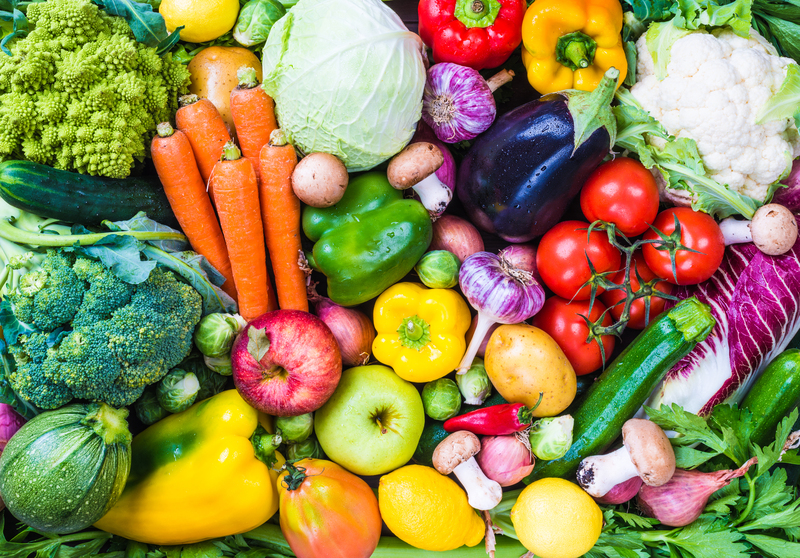
Why Turn Organic Refuse into Rich Soil?
Each year, millions of tons of organic waste are sent to landfills, contributing to greenhouse gas emissions and squandering valuable nutrients. Harvesting fertile soil from everyday organic refuse is an environmentally friendly practice that not only reduces waste but also rejuvenates your garden.
- Reduces landfill waste: Turning organic refuse into soil diverts items from landfills.
- Enriches the garden: Compost adds essential nutrients, enhancing soil structure and fertility.
- Cost-effective: Using compost eliminates the need for chemical fertilizers.
- Mitigates climate change: Reduces methane emissions produced by decomposing waste in landfills.
Understanding Everyday Organic Refuse
Organic refuse refers to decomposable waste from domestic, commercial, or community sources. Typical examples include:
- Fruit and vegetable peelings
- Coffee grounds and tea bags
- Eggshells
- Yard trimmings: leaves, grass, branches
- Paper napkins and cardboard (uncoated)
These everyday materials are the foundation for creating rich soil from organic waste and should not be underestimated in their ability to transform gardens.
The Science Behind Turning Refuse into Fertile Soil
Composting is the natural process of breaking down organic material into a dark, crumbly substance known as humus. Microorganisms--bacteria, fungi, and insects--work together to decompose the waste, releasing nutrients and beneficial microbes that enrich the soil.
- Carbon: Found in dry leaves, cardboard, and paper; the "brown" material that provides energy for decomposition.
- Nitrogen: Present in food scraps and green yard waste; the "green" component that accelerates the process.
- Oxygen: Essential for aerobic microbes to do their job efficiently.
- Moisture: Keeps the system working but should be regulated to prevent foul odors.
The ideal compost pile has a balance of both carbon and nitrogen (often referred to as a 30:1 ratio of carbon to nitrogen) and is turned regularly to maintain oxygen. This allows for optimal microbial activity, resulting in nutrient-rich soil from recycled refuse.
Methods of Harvesting Rich Soil from Organic Waste
There are several popular techniques for turning household and yard waste into top-quality soil. The following methods can be tailored to suit individual needs, space restrictions, and lifestyle preferences.
1. Traditional Outdoor Composting
This method uses a designated compost bin or pile in your backyard. To begin:
- Choose a location--preferably shady and well-drained.
- Layer "greens" and "browns"--alternate between nitrogen-rich (food scraps, fresh grass) and carbon-rich (dry leaves, shredded newspaper) materials.
- Moisten as needed--keep the pile damp but not soggy.
- Turn regularly--every 2-3 weeks, to introduce oxygen and speed up decomposition.
After a few months, you will see dark, crumbly, earthy-smelling compost ready to enrich your garden beds.
2. Vermicomposting (Worm Composting)
Vermicomposting uses earthworms--especially red wigglers--to break down organic refuse rapidly and efficiently. This is ideal for urban dwellers or those with limited outdoor space.
- Set up a worm bin--ensure good drainage and ventilation.
- Add bedding--shredded newspaper or coconut coir works well.
- Introduce worms--purchase from a reputable supplier.
- Feed small amounts--peelings, coffee grounds, and eggshells are perfect. Avoid meat, dairy, and oily foods.
In about 3-6 months, you'll harvest worm castings--an exceptionally potent, organic fertilizer for plants.
3. Bokashi Composting
Bokashi is a fermentation-based composting system, ideal for breaking down all food scraps, including dairy and meat. Special Bokashi bran inoculated with beneficial microbes is added to a sealed bin along with organic refuse.
- Add daily food waste with a sprinkling of Bokashi bran.
- Seal tightly to maintain an anaerobic environment.
- After a few weeks, contents can be buried in a garden bed or combined with traditional composting methods.
The result is pre-compost material that transforms rapidly into rich soil when incorporated into garden beds.
Step-by-Step Guide: Creating Rich Soil from Household Organic Refuse
Step 1: Select a Composting System
Assess your available space, types of organic waste, and personal preference. For smaller homes, worm bins or Bokashi systems are effective, while outdoor bins are great for larger properties.
Step 2: Gather and Store Refuse
Keep a sealed container in the kitchen for peelings, coffee grounds, and other organic scraps. For yard waste, collect leaves and grass clippings, making sure to avoid diseased plants or pesticide-laden clippings.
Step 3: Balance Your Inputs
Aim for a balanced mixture of "browns" and "greens." Too much nitrogen leads to odors; too much carbon slows decomposition. Mix materials as you add them for the most efficient breakdown.
Step 4: Maintain Your Compost
- Moisture: Keep compost like a wrung-out sponge--damp but not wet.
- Oxygen: Turn regularly (for tumblers or open piles) or ensure proper ventilation (for worm bins).
- Temperature: Compost gets hot as it breaks down--ideally 50-65?C (122-149?F); cooler in small bins.
Proper maintenance speeds up transformation and prevents pests.
Step 5: Harvest and Use Finished Compost
Finished compost will be dark, crumbly, and smell pleasantly earthy. Sift out larger pieces and apply homemade, nutrient-rich soil as:
- Mulch: Spread around plants to conserve moisture and suppress weeds.
- Soil Amendment: Mix into garden beds for improved structure and fertility.
- Potted Plants: Blend with regular potting soil for a growth boost.
Tip: A little goes a long way; even small amounts of compost make a big difference!
Benefits of Using Compost Derived from Everyday Organic Waste
- Improves soil structure: Increases aeration, drainage, and moisture retention, creating a balanced environment for roots.
- Feeds beneficial microorganisms: Compost teems with bacteria and fungi that help fight plant disease and improve nutrient uptake.
- Reduces the need for chemical fertilizers and pesticides: Healthier plants with stronger natural defense mechanisms require fewer interventions.
- Supports biodiversity: Enriching soil with organic matter attracts worms, insects, and other wildlife.
- Lowers your carbon footprint: Composting at home reduces transportation and landfill emissions.
Common Challenges and Solutions in Composting Household Refuse
Odors
Foul smells are usually a sign of too much nitrogen or lack of oxygen. Resolve by adding more "browns" (leaves, cardboard) and turning the pile for aeration.
Pests
Pests such as rodents or flies may be attracted to exposed food scraps. Always cover new additions with a "brown" layer, and avoid meat, dairy, or oily foods in open piles.
Slow Decomposition
If your compost isn't breaking down, it could be due to:
- Lack of moisture
- Improper carbon/nitrogen ratio
- Insufficient size (compost piles need to be at least 3ft x 3ft for best heat retention)
Remedy with regular watering, turning, and balancing materials.
Creative Sources of Everyday Organic Refuse
Beyond typical kitchen and yard waste, consider these unusual sources for composting rich soil from organic matter:
- Shredded bills and non-glossy paper
- Pet hair and human hair (in moderation)
- Wood ash (from untreated wood)
- Unbleached paper towels and napkins
- Spices past their prime
Remember, materials should be free of synthetic chemicals and coatings for the healthiest compost.
Composting for Apartment Dwellers: Rich Soil from Small Spaces
Even those living in apartments or urban environments can participate in creating fertile soil from everyday organic refuse. Options include:
- Countertop compost bins: Compact designs reduce odors and are easy to empty into community compost sites.
- Worm bins: Ideal for indoor use, producing odor-free vermicompost.
- Bokashi systems: Under-sink bins enable easy fermentation of all kitchen scraps.
- Community drop-off: Many cities offer organic waste collection or shared garden compost programs.
Advanced Tips for Maximizing Your Compost Yield
- Chop larger refuse into smaller pieces to speed up decomposition.
- Add diverse materials for a nutrient-balanced compost.
- Monitor temperature--hot compost breaks down faster and kills weed seeds.
- Cure compost for several weeks after the initial breakdown to ensure stability.
- Test the finished product by growing a few seedlings; if they thrive, the compost is ready.

Sustainable Gardening: Closing the Loop with Harvested Soil
By returning finished compost to your garden, you actively participate in nature's cycle of renewal. Plants grown in homemade compost yield healthier flowers, vegetables, and fruits, closing the loop and reducing reliance on outside inputs.
The practice of harvesting rich, fertile soil from everyday organic refuse supports local ecosystems, reduces carbon emissions, and provides an invaluable resource for gardening and landscaping.
Conclusion: Reap the Rewards of Transforming Organic Waste into Rich Soil
With a little effort and know-how, anyone can turn household and yard waste into nutrient-dense, living soil that benefits both the garden and the planet. By adopting even a small-scale composting routine, you'll:
- Reduce household waste
- Lower your environmental impact
- Improve garden productivity
- Save money on fertilizers and soil amendments
Start today: Embrace the process of harvesting rich soil from everyday organic refuse and join the growing movement of eco-conscious gardeners transforming waste into abundance!
Latest Posts
Harvesting Rich Soil from Everyday Organic Refuse
Discover How to Set Up Captivating Seating Areas in Your Garden
Budget-Savvy Ideas for a Low Maintenance Garden